
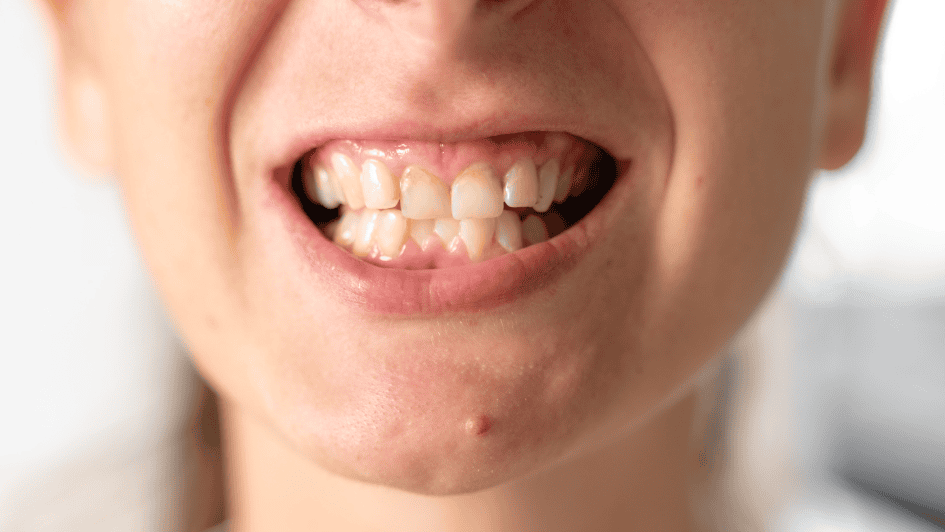
Bite problems can affect anyone at any age, but the reasons they develop and the best time to treat them can vary. Whether it is a growing child, a teenager, or an adult, understanding why bite problems develop helps you make informed decisions about orthodontic care. At Royal Orthodontics, we help patients of all ages correct misaligned bites and improve the long-term health and function of their smile.
Bite problems, also known as malocclusions, can impact chewing, speech, comfort, confidence, and overall dental health. Learning the causes and signs can help you recognize when it is time to seek professional treatment.
Why Bite Problems Develop in Children
Children’s jaws and teeth go through rapid changes during growth. As baby teeth fall out and permanent teeth erupt, spacing and alignment can shift. Bite problems in children often develop due to natural growth patterns or habits formed during early years.
Some of the most common causes include genetics, where a child inherits jaw size or tooth alignment from their parents. If one parent had crowding, an underbite, an overbite, or spacing issues, the child may develop similar concerns.
Habits such as prolonged thumb sucking, lip biting, or extended pacifier use can also affect the alignment of teeth. These habits place pressure on developing jaws, gradually shifting teeth out of place.
Premature loss of baby teeth due to decay or trauma can influence how permanent teeth grow in. When baby teeth fall out too early, surrounding teeth may shift into the empty space, limiting room for new teeth and creating bite irregularities.
Because children are still growing, bite issues tend to progress as the jaw continues to develop. This is why early evaluation is recommended.
Why Bite Problems Develop in Adults
Adults can also develop bite issues, even if they did not have noticeable problems as children. In many cases, bite concerns appear gradually and may go unnoticed until symptoms arise.
One of the most common reasons adults develop bite issues is shifting of teeth over time. Teeth naturally move due to age, gum changes, or pressure from daily functions such as chewing or clenching. Even adults who had orthodontic treatment as teenagers may experience bite changes if retainers were not worn consistently.
Crowding can worsen as gums and bone structure change. Gum recession or bone loss from untreated gum disease can cause teeth to drift, creating bite irregularities.
Tooth loss and missing teeth can also affect the bite. When a tooth is lost, the surrounding teeth may shift or rotate, changing the way the upper and lower teeth meet. This imbalance can lead to jaw discomfort, uneven wear, and difficulty chewing.
Adults may also develop bite problems from lifestyle habits such as grinding or clenching, which place excessive force on teeth and gradually alter alignment.
Signs That a Bite Problem Is Developing
Recognizing early signs can help prevent a minor issue from becoming more serious. Common indicators include difficulty biting or chewing, worn or chipped teeth, frequent jaw discomfort, teeth that do not meet evenly, and speech difficulties.
Crowding or spacing may become visible as teeth shift. Some people notice changes in the way their smile looks or feels. Others may experience jaw clicking or tension, especially when eating.
In children, signs may include misaligned baby teeth, difficulty chewing certain foods, or habits that affect jaw development.
When to Treat Bite Problems in Children
Early orthodontic evaluations are recommended once permanent teeth begin to appear. Identifying issues early allows orthodontists to guide the growth of the jaw and create space for incoming teeth.
Treatment for children may include appliances that help correct jaw alignment, create space, or prevent habits that affect growth. Early care can reduce the need for more complex treatment later. While not all children require early intervention, evaluating bite development during growth provides clear insight into timing.
When to Treat Bite Problems in Adults
Adults can seek orthodontic treatment at any stage. Modern orthodontic options allow adults to correct bite issues comfortably and discreetly. Treating bite problems early helps prevent long-term concerns such as jaw discomfort, uneven wear, tooth fractures, and gum complications.
Adults often choose treatment when they notice cosmetic changes or functional issues, such as difficulty chewing or jaw tension. Correcting the bite can improve comfort, stability, and appearance.
Why Treatment Matters for Long-Term Oral Health
Untreated bite problems can contribute to several concerns. Improper bite alignment can cause enamel wear, gum stress, and jaw strain. Misaligned teeth are harder to clean, increasing the risk of decay and gum complications.
Addressing bite issues ensures that teeth meet evenly, reducing stress on the jaw joint and preventing future complications. A balanced bite also improves chewing efficiency and supports long-term comfort.
Orthodontic Options for Children and Adults
Royal Orthodontics offers a range of treatment options suitable for different ages and needs. This may include traditional braces, clear aligners, interceptive appliances for children, and advanced orthodontic techniques for adults.
A personalized consultation allows the orthodontist to evaluate the cause of the bite issue and recommend a treatment plan that supports both aesthetic goals and functional needs.
Final Thoughts
Understanding why bite problems develop in children and adults helps you take the right steps toward improving oral health and comfort. Children often develop bite issues due to habits, genetics, or early tooth loss, while adults may experience bite changes from shifting teeth, gum concerns, or lifestyle factors.
Royal Orthodontics is committed to helping patients achieve healthier, more balanced smiles with customized treatment options. If you or your child shows signs of a developing bite problem, scheduling an evaluation is the best way to determine the right timing and approach.